Short answer: Harbor Marine repairs and services boat engines for Atlanta owners, at storage facilities and homes where allowed, at Lake Lanier slips, and at our Buford shop. Call or text (770) 967-8495.
Engines that wait for a free weekend
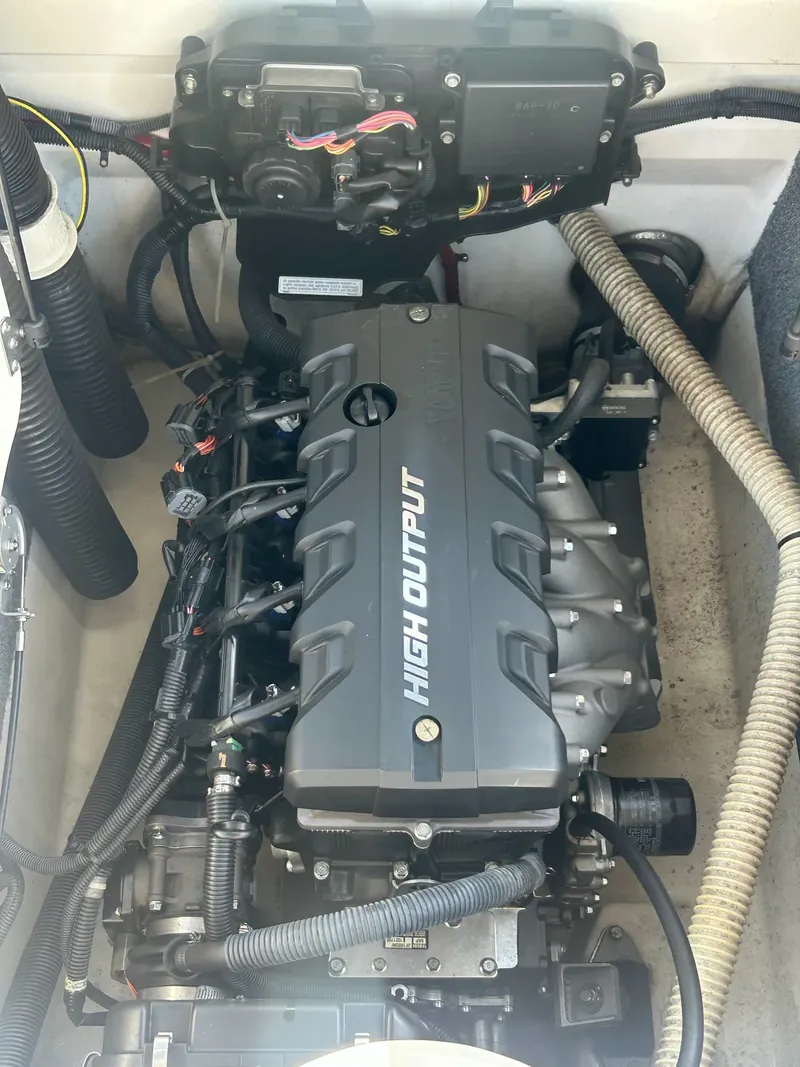
City schedules mean an Atlanta boat can sit for weeks between trips, in a storage unit, a covered lot or a Lanier slip. Engines do not like sitting. Fuel ages, batteries lose charge, seals dry and moisture creeps in. The trouble usually shows up at the ramp, with an engine that will not start or will not idle.
Regular service prevents most of it, and when something goes wrong, we find the cause before replacing parts.
Common engine problems
- Hard starts or no-starts after sitting.
- Rough idle or stalling.
- Overheating alarms.
- Loss of power at speed.
- Batteries that die at the slip.
- Warning lights and fault codes.
Stale fuel
Ethanol-blended fuel absorbs moisture and breaks down if it sits. After a few weeks in a hot storage lot, it can cause rough running and stalls. Keep the tank treated, run the boat regularly, and change the fuel-water separator filter on schedule.
Overheating
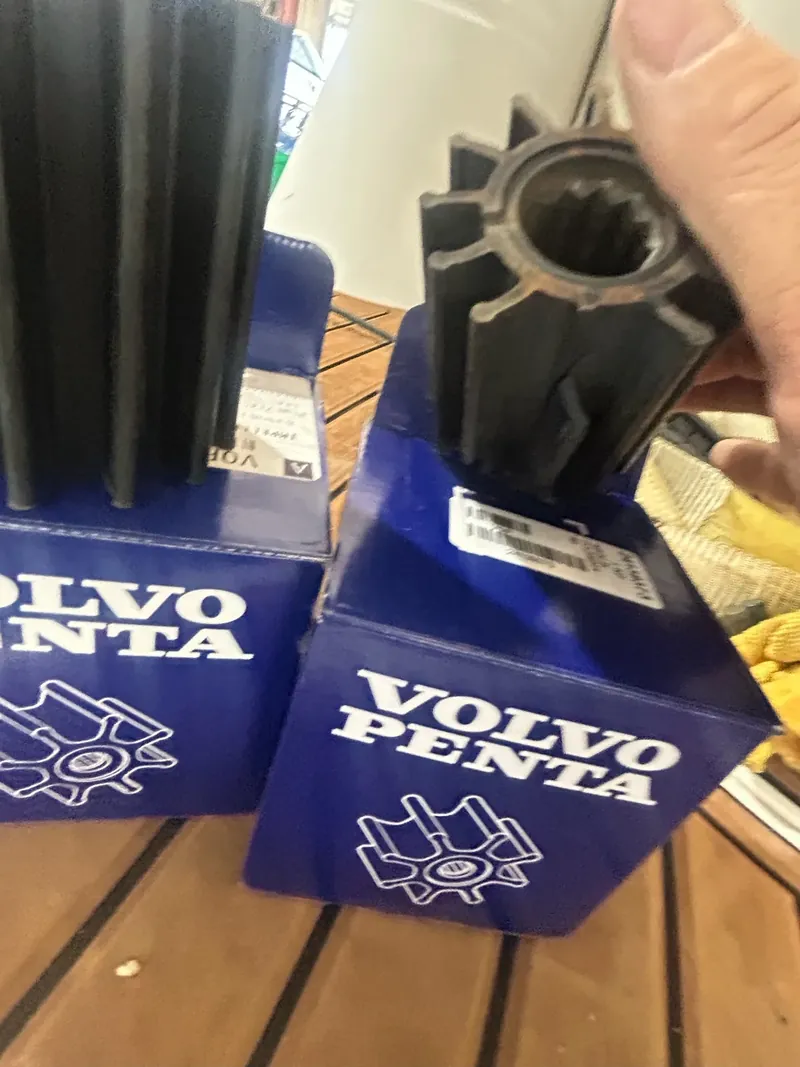
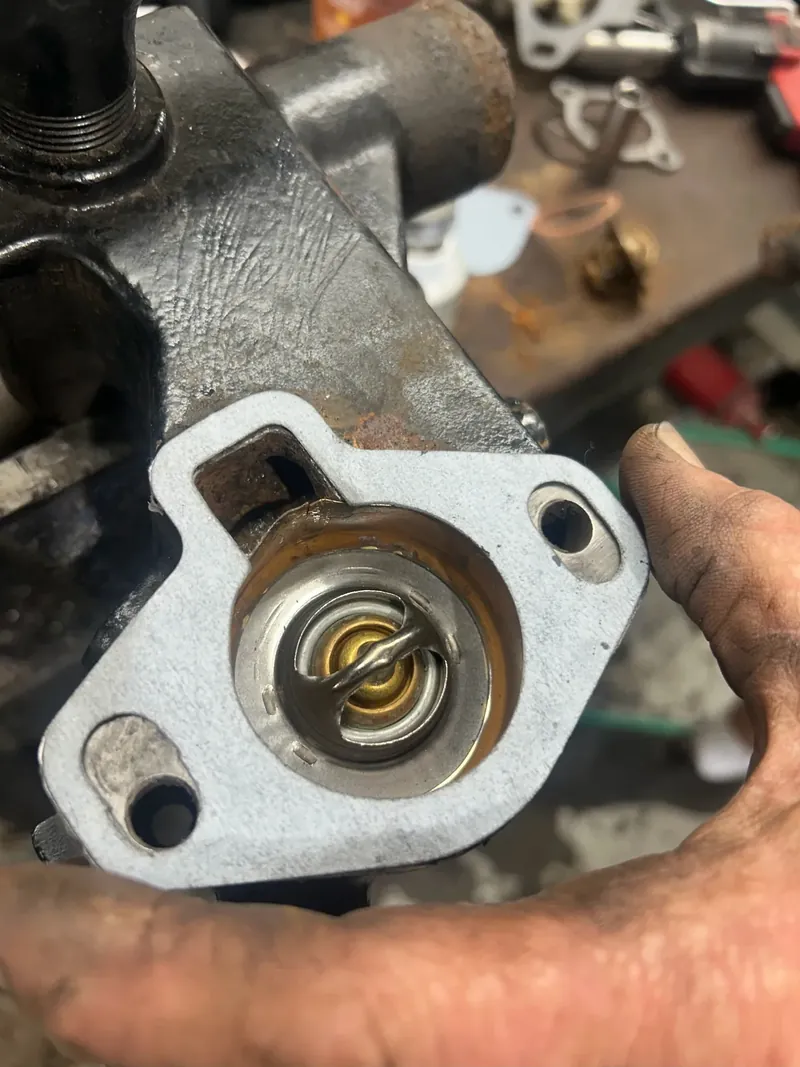
A worn impeller, a stuck thermostat or a blocked intake are the usual causes. If the gauge climbs, throttle back, shut down when safe and let the engine cool. Call before running it hard again, because heat damage gets expensive.
Batteries at the slip
Boats left in a Lanier slip all week still draw power for bilge pumps and electronics. A battery switch turned off when you leave, and a charger on shore power, help a lot. If the battery keeps dying, we test it, the charging output and any parasitic drains.
Where we do the work
Routine service can often be done through mobile service in Atlanta where the facility or HOA allows it, or at the boat's slip on Lanier. Bigger repairs come to our shop at 6516 Lanier Islands Parkway in Buford.
A yearly service covers
- Oil and filter.
- Impeller and cooling flow.
- Thermostat and gaskets.
- Belts, hoses and clamps.
- Fuel filters.
- Battery and charging.
What affects an engine job
Pricing is set when you call for a quote. These are the things that change the size of the job:
- Routine service versus tracking down a fault.
- Where the work can be done.
- Engine type and access.
- Parts found worn once we look.
Heat and engine rooms
Long Georgia summers push engines hard. Engine compartments get hot, belts and hoses age faster, and cooling systems have little margin. On a hot day with a full boat, a cooling system that was barely keeping up can tip into an overheat. A mid-summer check of the impeller, belts and coolant level is cheap insurance.
Before a long lake weekend
Check the oil, look for a steady stream of cooling water at idle, confirm the battery voltage and top off the fuel. Pack a tow-service number. Ten minutes at the dock can save a long afternoon waiting in a cove.
Signs worth a call
Call if the engine cranks longer than usual, the temperature reads higher than it used to, less water comes from the exhaust or tell-tale, or there are new noises, smells or fluids in the bilge. Catching these early usually means a smaller repair and fewer lost weekends.
Keeping service records
Keep a simple log of oil changes, impeller replacements, filters and repairs, with dates and engine hours. It helps us spot patterns, makes it easier to plan the next service, and adds value when you sell the boat. If you are not sure when something was last done, we can note what we find and start the log for you.
Related and nearby
Pair engine service with sterndrive repair in Atlanta if you have a sterndrive, and book winterization in Atlanta each fall.
North of the city, we also offer engine repair in Alpharetta and in Suwanee, and our shop is in Buford. If your boat stays in the water, see engine repair on Lake Lanier. All our work for city owners is on the Atlanta boat repair page, the main service page explains each step, and you can contact us anytime.